
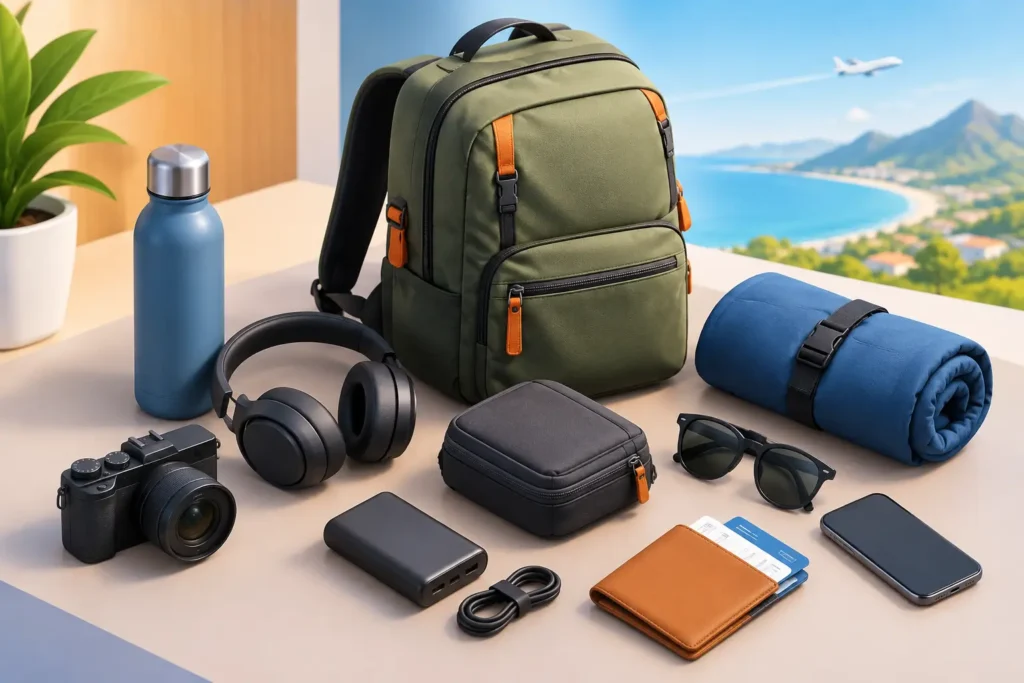
A cheap flight can stop feeling cheap fast when your overstuffed carry-on gets tagged at the gate, your phone dies before the rideshare arrives, or a broken suitcase wheel turns airport connections into cardio. The best travel gear is not about packing every gadget you own. It is about buying a few smart pieces that save money, protect your time, and make getting from home to hotel a whole lot less annoying.
For budget travelers, every item needs to earn its space. That means fewer novelty purchases, more practical problem-solvers, and gear that works across a long weekend, a beach escape, a poker tournament, and an international flight with a tight connection.
Start With Travel Gear That Beats Baggage Fees
Airline baggage rules are one of the fastest ways to turn a stolen deal into an expensive surprise. Before buying a new bag, check the carry-on dimensions for the airlines you fly most often. A bag can look compact in your bedroom and still be too tall for a strict budget carrier’s sizer.
A lightweight carry-on with smooth wheels, sturdy handles, and useful internal compression is usually the smartest first purchase. Hard-shell luggage offers better protection for fragile items and handles wet tarmacs well, but soft-sided bags can be easier to squeeze into an overhead bin and often give you exterior pockets for quick-access items. Neither is automatically better. It depends on whether you pack breakables, how often you change hotels, and whether you tend to check a bag.
For personal-item-only trips, a structured backpack is the real money saver. Look for one that opens like a suitcase instead of a top-loading school bag. You will pack more efficiently, find your charger without unpacking everything, and avoid that frantic gate-side search for your passport.
Do not chase the biggest bag allowed. A bag that is technically permitted but impossible to lift is still a bad deal. Leave a little room for the return trip, especially if you are the type who comes home with souvenirs, snacks, or one very questionable airport purchase.
The Small Essentials That Fix Big Travel Problems
The best gear often disappears into your bag until the exact moment you need it. These are the items that can rescue a delayed flight, a sketchy hotel outlet setup, or a day when your itinerary goes sideways.
A reliable portable charger belongs in nearly every carry-on. Choose one with enough capacity to recharge your phone at least once, plus USB-C capability if your devices use it. Remember that power banks generally need to travel in your carry-on, not your checked luggage. Bring a short charging cable, too. A great battery pack is useless if the cord is tangled in the bottom of another bag.
A universal travel adapter is essential for international trips, but it is not the same thing as a voltage converter. Most modern phones, laptops, and camera chargers can handle dual voltage. Hair tools and older appliances may not. Read the fine print before you plug in, unless you enjoy the smell of overheated electronics on vacation.
Noise-canceling headphones can feel like a splurge, but they earn their place on long flights, red-eyes, and crowded hotel floors. If premium headphones are not in the budget, basic foam earplugs are a tiny purchase with huge upside. Pack both if sleep matters to you.
A reusable water bottle is another low-drama winner. Bring it empty through security, then fill it after screening. Airport bottled water prices are rarely a bargain, and staying hydrated makes long travel days easier to handle.
Build a Carry-On Kit for Delays and Detours
Your checked bag should hold clothes. Your personal item should hold the things that would make a delay miserable if they disappeared for 24 hours. This is not overpacking. It is insurance against the kind of travel chaos nobody posts on social media.
Keep your ID, passport, medications, wallet, charging gear, and a change of underwear in the bag that stays with you. Add any reservation details you may need when Wi-Fi is weak or your phone is running low. A slim document organizer can help, although a simple zip pouch works just as well if you are keeping costs down.
For flights, add a light layer. Cabins get cold, and using your destination jacket as a blanket is not always comfortable or practical. A packable hoodie, cardigan, or scarf can do double duty without eating up much room.
A small toiletry kit matters more than a giant one. Travel-size toothpaste, deodorant, face wipes, and moisturizer can make you feel human after a red-eye or a long airport layover. Keep liquids within current security limits and use a clear pouch so you are not holding up the line while digging through your bag.
Travel Gear for Better Sleep Anywhere
A bad night’s sleep can wreck a great deal faster than almost anything else. You do not need to bring your whole bedroom, but a few compact items can improve your odds.
A supportive neck pillow is worth considering if you sleep on planes, buses, or trains. Inflatable models take up less room, while memory-foam versions are often more comfortable. The trade-off is obvious: comfort usually takes more space. If you never sleep in transit, skip it and save the bag real estate.
A contoured sleep mask blocks more light than the free airline version, and it weighs practically nothing. Pair it with earplugs and you have a low-cost sleep setup that works in hotels with bright curtains, hostels with noisy roommates, or a cousin’s guest room during a family trip.
If you are sensitive to hotel cleanliness, pack a small set of disinfecting wipes rather than bulky specialty products. Use them on high-touch surfaces, then get on with your trip. No need to turn checking in into a forensic investigation.
Do Not Buy Gear for the Trip You Imagine
This is where travelers lose money. A fancy camera bag for a camera you rarely use, a giant hiking pack for one easy trail, or a dozen organizers for a three-day city break can make packing harder, not easier.
Buy based on your actual travel habits. If you take quick domestic flights, prioritize personal-item packing, charging, and easy airport access. If you road-trip with friends, a car charger, compact cooler, and packing cubes may be more useful than a premium carry-on. If you fly internationally, adapters, document storage, and comfortable flight gear move higher on the list.
Poker travelers have a specific version of this problem. Tournament schedules can mean early flights, long sessions, and quick hotel changes. A dependable backpack with a protected laptop sleeve, a power bank, and a small organizer for documents and charging cables will likely help more than flashy luggage that looks good only in the lobby.
How to Pack Smarter Without Buying More
Before adding another item to your cart, test the gear you already own. Do a practice pack a few days before departure. If your bag is full before toiletries and a light jacket go in, you need to cut clothing or improve how you pack, not necessarily buy a larger suitcase.
Packing cubes can help separate outfits, workout gear, and laundry, especially on multi-stop trips. They do not create extra space by magic, despite what some product listings suggest. Their real value is organization. Compression cubes can reduce bulk, but overfilling them may leave your bag heavier and harder to close.
A simple four-part approach keeps things under control:
- Wear your bulkiest shoes and outer layer in transit.
- Pack clothes that mix easily instead of planning a brand-new outfit every day.
- Keep liquids, chargers, and documents in predictable places.
- Leave a little empty space for the trip home.
That last point matters. A bag packed to the absolute limit gives you no margin for wet clothes, gifts, or a last-minute airline request to consolidate your belongings.
Spend Where Failure Costs You
Not every piece of travel gear deserves a premium price tag. Save on items that are simple and easy to replace, like basic pouches, luggage tags, and refillable bottles. Spend more carefully on items that can derail your trip if they fail: luggage wheels, backpack zippers, charging equipment, and shoes you will walk in all day.
Read reviews with a practical eye. Look for comments from travelers who use the item the way you will use it, not just someone who opened it once at home. Pay attention to warranty terms, weight, real-world dimensions, and whether replacement parts are available. A bargain suitcase that fails after two trips is not a bargain.
FareBandit is built around finding deals worth grabbing, and the same rule applies here: the lowest price is only a win when the product does the job. A modestly priced carry-on that avoids one checked-bag fee can pay for itself quickly.
Make Your Bag Work Harder Than Your Budget
Great travel gear should remove friction, not create more decisions. Start with the bag you carry, protect your ability to charge and sleep, and build a small kit for delays. Then add only what fits the way you actually travel.
The next time you score a flight deal that feels almost too good to be true, you will be ready to enjoy the victory instead of paying for it at the gate. Pack light, keep the essentials close, and save your travel budget for the part of the trip you came for.
For your next step, browse FareBandit’s travel gear picks. Use your itinerary and baggage allowance to decide what is worth packing.
